
Artificial intelligence has transformed how we work, write, and solve problems. As someone who’s used it extensively in marketing, writing, and strategy, I’ve been an unabashed adopter of its capabilities. But recently, I learned something that made me stop and rethink my use.
Most of the AI tools we use don’t just consume electricity; they rely on massive data centers full of servers that generate enormous amounts of heat. To keep those machines running, data centers consume huge quantities of water for cooling, often up to 5-million gallons per day per facility. This water isn’t just reused or returned to the source; about 80% evaporates into the atmosphere during cooling rather than cycling back into the system. The other 20% is discharged as blowdown and may contain concentrated salts and contaminants that require treatment.
In the U.S., about 80% of consumption for Google data centers comes from municipal drinking water supplies, especially in water-stressed regions. In one recent year, a major tech company reported billions of gallons of water consumption tied largely to AI workloads. That water loss affects local ecosystems, contributes to wastewater that must be treated, and ultimately ties into higher energy use and carbon emissions to generate power and keep servers running.
When I first understood this, I felt guilty, even conflicted. I use AI every day. I rely on it as a tool, but I don’t need it to write for me. Writing has always been my craft, not something I delegate.
That realization prompted a shift:
- I now reserve AI for essential tasks where it genuinely adds unique value outside of my expertise.
- I use Google search more often like I used to.
- I lean more on my own expertise and experience instead of asking AI to fill in.
- I think more strategically about when to use it, not just because it’s there.
I still value the power of AI. But I also want to use it responsibly, especially when we’re just beginning to understand its environmental footprint. The environmental impact of AI isn’t a reason to abandon it, but it is a reason to use it more mindfully. I figured if I didn’t know about this, a lot of other people wouldn’t.
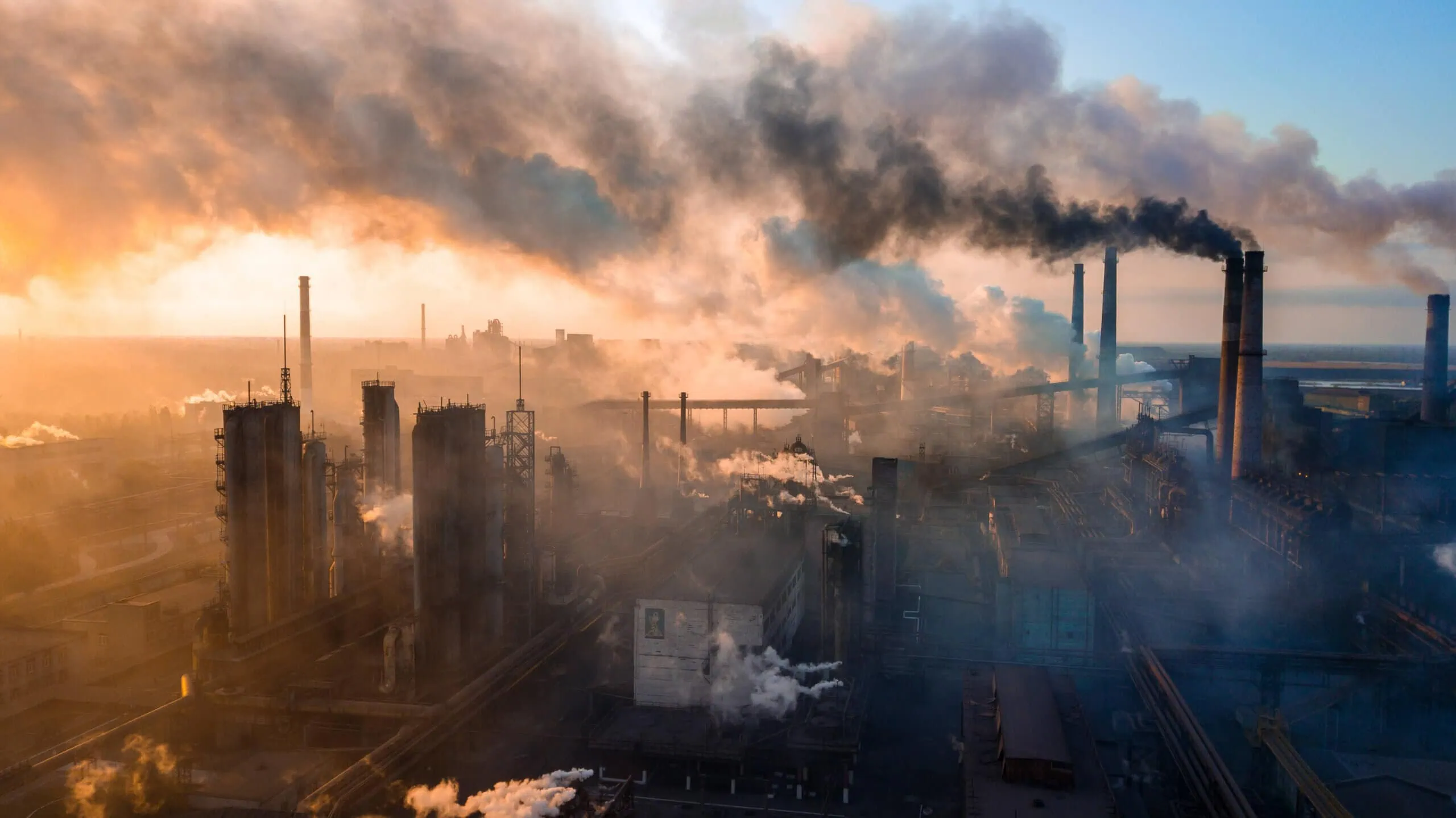
And, yes, I chose the image intentionally. We all know my primary focus is manufacturing, tech, and AI. But manufacturing has been regulated by the EPA for years and has been moving diligently in a green and sustainable manufacturing direction. Let’s be thoughtful stewards of innovation and the planet.