
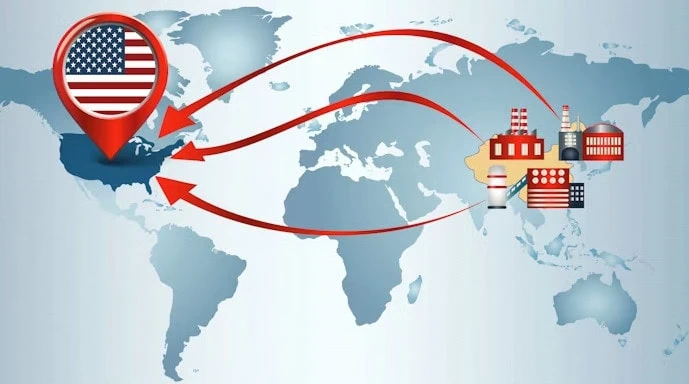
If the last few years have taught manufacturers anything, it’s that global supply chains are fragile. Pandemic disruptions, port congestions, rising transportation costs, and geopolitical tensions have highlighted how vulnerable overseas sourcing can be.
The next five years will be critical. Manufacturers who reshore and rebuild resilient supply chains will gain a decisive advantage, including shorter lead times, better quality control, and stronger customer trust. Those who don’t may face higher costs, production delays, and missed market opportunities.
Why Manufacturers Need to Reshore Now
Several converging factors make reshoring to the U.S. not just attractive, but urgent:
1. Supply Chain Resilience
Global supply chains are more vulnerable than ever. Relying on distant suppliers increases the risk of shipment delays, material shortages, and production stoppages. Domestic sourcing reduces these risks and allows manufacturers to respond quickly to changes in demand.
2. Rising Costs of Overseas Production
Labor, transportation, and tariff costs continue to rise. When factoring in inventory holding, quality rework, and logistics delays, overseas production is no longer always cheaper than producing in the U.S.
3. Technology and Automation Make U.S. Manufacturing Competitive
Advances in automation, robotics, and AI-driven production make domestic manufacturing more cost-effective and efficient. Companies can compete on price, speed, and quality while keeping production close to home.
4. Customer and Market Expectations
There’s a growing consumer and government push for “Made in America” products due to their quality, sustainability, and reliability. Domestic production enhances brand reputation and provides faster response to market changes.
5. Government Incentives and Trends
There are a number of programs designed to support U.S. manufacturing:
- Federal and state tax incentives for companies that invest in domestic production facilities and equipment
- Grants and low-interest loans for reshoring initiatives, automation adoption, and advanced manufacturing technologies
- Government procurement programs that prioritize domestic suppliers for federal contracts
- Workforce development programs to help manufacturers train local talent in advanced manufacturing skills
These programs make reshoring financially and operationally viable while strengthening the U.S. manufacturing ecosystem.
6. Agility and Innovation
Being closer to suppliers and production lines accelerates lead times, supply chain velocity, and Just-in-Time manufacturing. Rapid prototyping, faster design iterations, and better collaboration are all easier when production is domestic.
Tips for Selecting the Right Suppliers
Choosing the right partners is critical to reshoring success:
- Go beyond price. Factor in total cost of ownership, including shipping, tariffs, downtime, and quality rework.
- Prioritize proximity and responsiveness. Domestic suppliers reduce risk and speed up collaboration.
- Evaluate process capability, not just capacity. Modern ERP, quality management, and automation tools are essential for alignment.
- Assess cultural and operational fit. Shared values around communication, continuous improvement, and quality strengthen partnerships.
- Verify their supply chain. Even U.S. suppliers may rely on imported components. Understanding their sourcing reduces hidden risks.
Building Supplier Relationships That Last
Strong supplier relationships drive mutual success and supply chain resilience:
- Communicate expectations clearly and often. Share forecasts, not just orders.
- Invest in joint problem-solving, like Lean and Six Sigma initiatives, to reduce waste and improve performance.
- Use data to measure on-time delivery, quality, and cost performance.
- Recognize and reward strong partnerships with early project access or supplier awards.
Rebuilding for Resilience
Reshoring is not about going backward; it’s about building a smarter, stronger, and more agile U.S. manufacturing ecosystem.
Manufacturers who invest now in domestic sourcing, automation, and supply chain transparency will lead the pack through times of uncertainty. Supply chain resilience isn’t a cost; it’s an insurance policy and a competitive edge.