
When manufacturers think about rework, they usually picture scrap, defective parts, machine downtime, or production errors. Those costs are easy to see because they happen on the shop floor. They show up in production reports, quality metrics, and financial statements, making them an obvious target for continuous improvement.
But there’s another form of rework that quietly drains profitability every day, and most companies don’t even realize it’s happening. It takes place in the office.
During my career, I’ve worked with dozens of manufacturers, and one thing has become very clear: Administrative rework rarely gets measured the same way production rework does. No one tracks how many hours are spent recreating proposals because the latest version can’t be found, rebuilding reports that already existed, correcting CRM data before it can be used, updating outdated marketing materials, or chasing information that should have been documented the first time. Yet these activities consume countless hours and create delays that ripple throughout the entire organization.
The irony is that many of these problems eventually find their way onto the shop floor. Incomplete customer information leads to engineering changes. Outdated marketing materials create unrealistic expectations. Poor documentation results in quoting mistakes. Inaccurate CRM data causes sales teams to miss opportunities with existing customers while pursuing prospects that were never qualified in the first place. What starts as an administrative issue often becomes an operational problem.
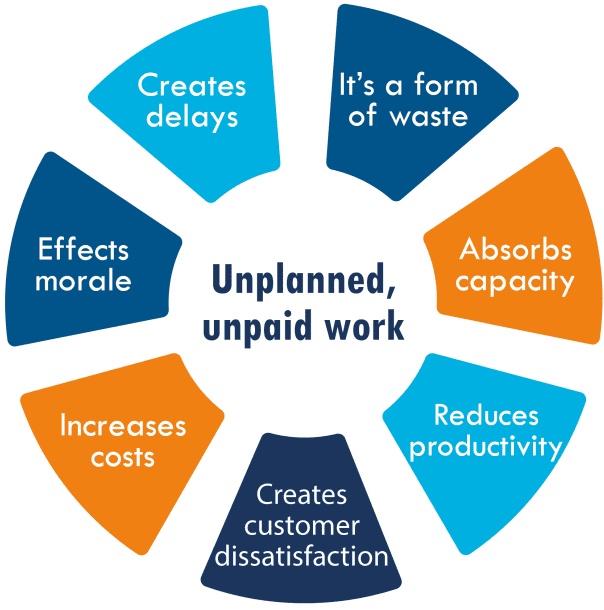
Lean teaches us to identify waste wherever it exists, not just where products are manufactured. Yet many organizations become exceptionally good at reducing scrap, setup time, and defects while accepting inefficiency everywhere else. If employees spend hours every week looking for files, requesting missing information, re-entering data into multiple systems, or recreating work that has already been done, that’s waste. It may not generate scrap, but it certainly consumes time, money, and resources that could be invested in growing the business.
This is one of the reasons I believe marketing should never be viewed as a collection of tactics. Marketing is a business process, just like quoting, engineering, purchasing, or production. Sales is a process. Proposal development is a process. Customer onboarding is a process. Lead management is a process. Every one of these workflows can be documented, standardized, measured, and continuously improved.
The companies that consistently grow aren’t simply working harder than everyone else. They’re working smarter by removing unnecessary friction from the way work gets done. Every hour spent recreating a proposal, cleaning up bad data, or fixing preventable mistakes is an hour that could have been spent serving customers, strengthening relationships, developing new business, or improving operations.
Manufacturers have become incredibly disciplined about reducing waste on the production floor. Imagine the impact if they applied that same discipline to the office.
At your next leadership meeting, ask one simple question: If we walked through our office with the same Lean mindset we use on the shop floor, how much rework would we find?