
Last week, my family experienced one of those nights you don’t plan for, can’t anticipate, and absolutely wouldn’t believe if it hadn’t happened to you.
A family helping us downsize my mom’s house was in the basement sorting through my dad’s old belongings. He passed away 10 years ago, and we’re only now getting to that part of the house: the tools, the hunting gear, the mysterious containers he never labeled because, of course, he knew what everything was.
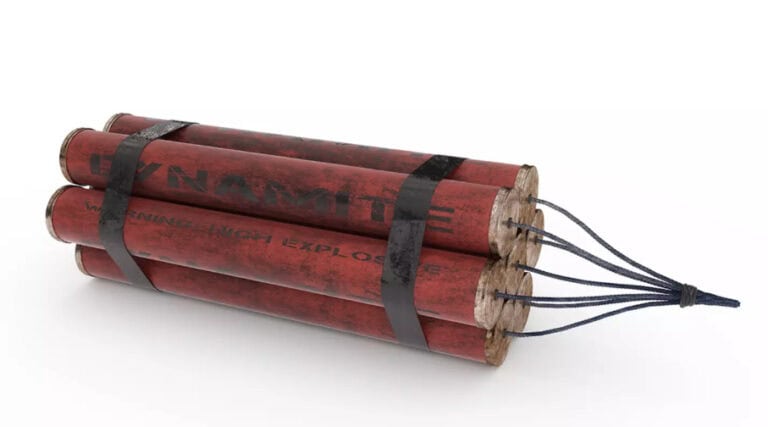
Down there, tucked away in a corner, they found what they believed to be gunpowder and dynamite. Knowing my dad was a hunter who reloaded his own ammunition, gunpowder wasn’t a surprise. But dynamite? That one gave everyone pause.
My mom called the police. They arrived, took one look, and thought the same thing: deteriorating dynamite. They evacuated her to a police car and called the bomb squad. That’s when I arrived.
Forty-five minutes later, about 10 hunky officers, a bomb dog, a van, a truck, SUVs, and squad cars filled the street. They secured the house. They did a full sweep.
The “dynamite” turned out to be old flares. The kind my dad threw in his hunting or fishing bag in case he needed light or help. Completely harmless. No danger. No explosion. No emergency. Just a whole lot of drama from something that could have been sorted and labeled years ago.
And that’s where the business lessons begin. What looks like dynamite is often just an old flare
In manufacturing and business, how many times do we finally dig into something we’ve put off (data, equipment, processes, old systems, old inventory) and it feels explosive?
The ERP we never fully cleaned up The CRM we never maintained The dusty shelf of parts no one wants to touch The undocumented process one person still “just knows” The customer list that hasn’t been reviewed in a decade The tribal knowledge stored in someone’s head instead of a system.
It feels dangerous. Time-consuming. Emotional. Costly. So we avoid it. But when we finally look, half the time it’s just a flare: something simple, explainable, fixable, harmless made dramatic only by the delay. Procrastination turns small issues into emergencies
My dad’s flares weren’t the problem. The problem was that none of us knew what they were anymore. In business, delaying the hard or uncomfortable work creates the illusion of danger later. I see this constantly in manufacturing: the backlog of leads they won’t touch because they’re “old;” the website update that feels too big so it never gets started; the messy database no one wants to claim ownership of; and the marketing that’s been on hold for years.
By the time the problem surfaces, you’ve created your own bomb squad moment. Everybody stops. Everyone panics. Everyone braces for an explosion. When a simple label or process 10 years ago would have prevented all of it. Document early. Plan ahead. Don’t make your future self call the bomb squad.
Every manufacturer I work with has at least one basement, literally or figuratively. A place where old stuff sits. Old assumptions. Old data. Old roles. Old ways of doing things. You don’t need to renovate the whole basement. You just need to:
- Identify what’s down there
- Decide what still matters
- Label what stays
- Throw out what doesn’t
- Communicate what you found
- Create a process so things don’t pile up again
This applies to marketing, sales, operations, equipment maintenance, onboarding, and leadership.
If someone else had to look at your “basement,” would they know what they’re seeing? Would they know what’s safe? Would they know what to do? Or would they call for backup? The police, the bomb squad, the dog, the vehicles, the neighborhood spectacle all happened because something wasn’t identified or handled earlier. This is exactly what happens when manufacturers avoid:
- Tech stack audits
- Data cleanup
- CRM adoption
- Strategy reviews
- Website overhauls
- Process mapping
- Obsolete inventory management
The longer you wait, the bigger the show. The goal is not perfection. It’s prevention.
Leaving something untouched for 10 years created a multi-hour scramble for us. In business, leaving something untouched even for one year can:
- Derail sales
- Delay growth
- Cause quality issues
- Waste time
- Waste money
- Create risk
The win isn’t in avoiding the basement. It’s in going there regularly with intention.
What’s your old flare?
This night reminded me that not everything scary is actually dangerous. Sometimes, it’s just unfamiliar. Sometimes it’s just old. And sometimes it only feels big because you’ve avoided it for too long.
But the moment you face it? It loses its power.
If you want help sorting through your business basement — your marketing, CRM, process gaps, or digital presence — I’m really good at showing you what’s actually dynamite and what’s just an old flare. And I promise, I don’t bring a bomb squad, just a plan.