
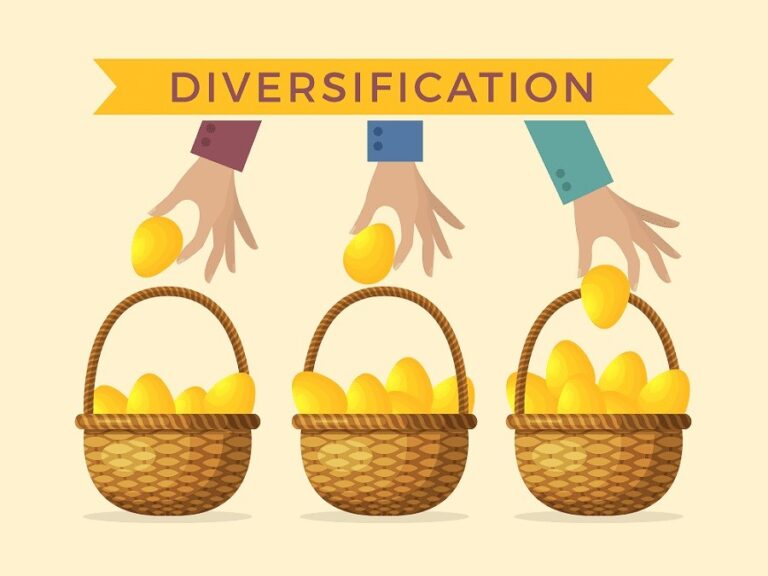
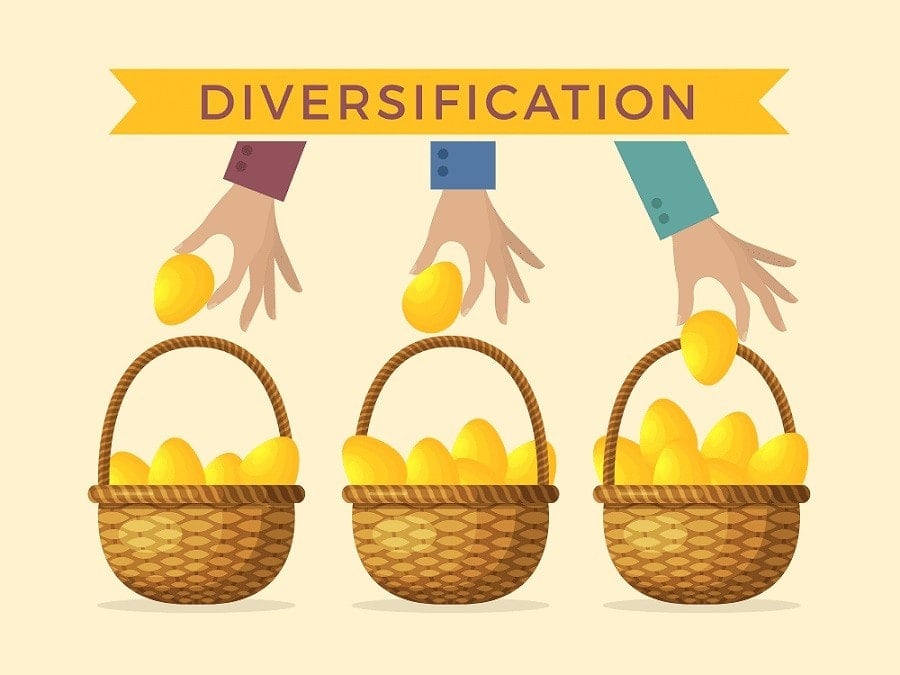
This is the third and final part of my AI supply chain risk newsletter series. In the first, I discussed the new supply chain risk in manufacturing. In Part 2, I covered the three types of supply chain risk applied to AI. Finally, in this edition, I will cover the diversification of AI tools. In manufacturing, diversification doesn’t mean buying from 10 random suppliers. It means intentional redundancy where failure would hurt the most.
AI should be treated the same way. Right now, most companies are doing one of two things:
- Going all-in on a single ecosystem (often OpenAI or Anthropic)
- Letting every department experiment independently, thereby creating tool chaos.
Neither is diversification. Real AI diversification happens across three layers:
1. Model Diversification
If one provider’s model powers everything — marketing copy, forecasting logic, CRM automation, internal knowledge search — you have concentration risk.
Diversification at the model level can look like:
• Testing multiple foundation models for different use cases
• Avoiding hard-coded dependency inside critical systems
• Keeping prompts and workflows portable
• Monitoring performance variance between models
You don’t need five subscriptions. But you should know you could switch if you had to. Optionality is leverage.
2. Platform Diversification
Many companies are unknowingly stacking risk. CRM powered by AI. Marketing automation powered by AI. Quoting logic powered by AI. Customer support powered by AI. If they all rely on the same underlying provider, you haven’t diversified; you’ve centralized risk invisibly.
Strategic diversification means asking:
• Are all these tools dependent on the same upstream model?
• If access changes, what stops working?
• Do we control the data outside the platform?
Manufacturers don’t single-source critical components without a backup plan. Your digital infrastructure shouldn’t be treated differently.
3. Capability Diversification
This one is leadership-driven. If AI is only used in marketing, you create imbalance. If it’s only used by tech-forward individuals, you create key person risk.
Diversification also means distributing capability:
• Cross-functional AI literacy
• Shared governance standards
• Documented use cases
• Defined ROI metrics
That reduces key person risk while increasing organizational resilience.
The Difference Between Diversification and Tool Hoarding
Diversification is deliberate. Tool hoarding is reactive. Diversification says, “We’ve mapped where AI touches revenue and operations. We’ve identified where failure would hurt. We’ve built redundancy there.” Tool hoarding says, “Everyone go try stuff and see what sticks.” One is strategic architecture. The other is unmanaged complexity.
The Manufacturing Lens
You already understand this. You diversify suppliers for critical materials. You validate alternates. You negotiate contracts with optionality. You protect core production lines first.
AI now touches:
• Lead generation
• Pipeline forecasting
• Production planning inputs
• Customer communication
• Pricing intelligence
If that layer becomes unstable, it affects margin. The conversation isn’t, “Which AI tool is best?” It’s, “Where can we not afford single-source dependency?” That’s the diversification question no one in manufacturing is asking loudly enough yet.